
English| EUR
Suggested for you
More currencies
Choose a language
Where the Saguenay Fjord meets the St. Lawrence Estuary, cold upwelling water concentrates krill and capelin within sight of the village pier. That single quirk of underwater geography decides when whales show up and when they don't. This page sets out the seasonal and daily windows worth planning around, and the practical timings that make them usable.
Quick answer
Peak season runs from late June through early October, with August and September strongest for blue, fin and humpback whales; belugas are resident year-round. Local operations run 08:00–20:00 daily, and the recommended arrival window is 08:00–18:00 to avoid peak ferry queues.
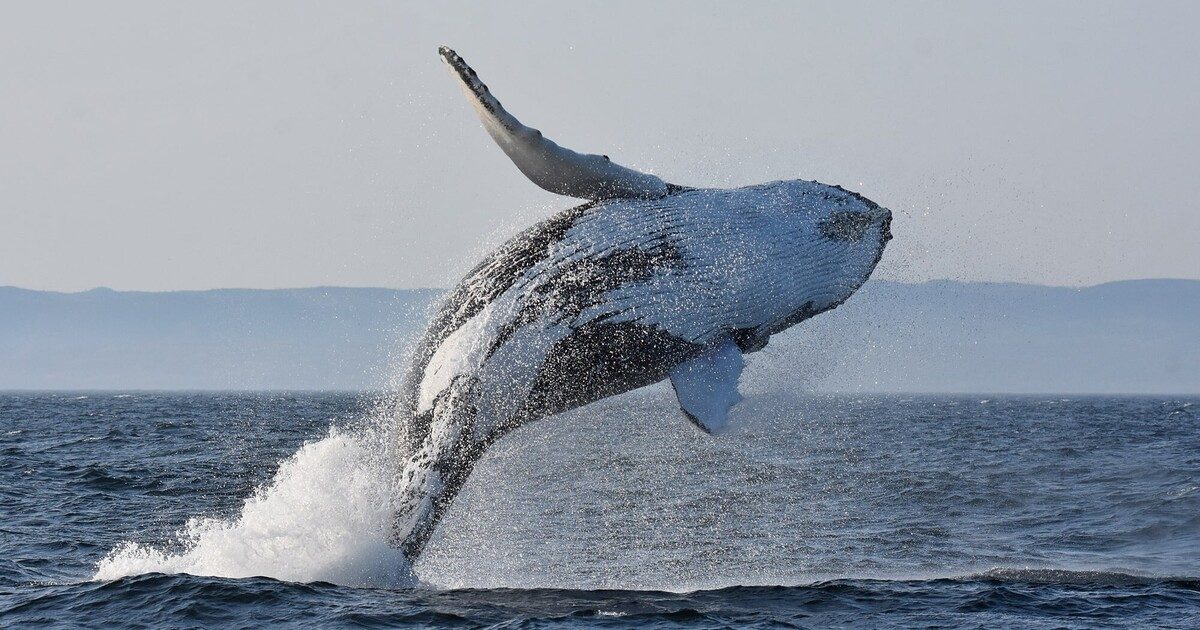
The St. Lawrence Estuary at Tadoussac is one of the few places on Earth where a person standing on land can watch a rorqual surface. The reason is a submerged sill at the mouth of the Saguenay Fjord: cold, nutrient-rich water is forced upward there, trapping krill and capelin in a dense column barely a kilometre offshore. Whales do not need to be found. They come to the food, and the food stays put. That mechanism explains why the tadoussac whale watching best time is a matter of biology rather than weather. Minke whales arrive first, usually in May. Fin whales follow. Blue whales — the largest animals alive — tend to appear once the krill biomass has built through the summer, which is why late August and September carry the strongest sighting records. The St. Lawrence beluga population, roughly 900 animals and federally listed as endangered, remains in the estuary through winter, though regulations keep vessels at a distance from them. A Tadoussac whale watching tour is therefore a different proposition in June than in September, and visitors planning around a specific species should say so when booking. Daily conditions matter as much as the calendar. Wind funnelling down the fjord builds chop through the afternoon, and swell reduces the flat water that makes blows visible at range. Fog is common on warm mornings when air meets the cold upwelling. None of this is predictable a week out, which is why most operators sail rain or shine but reserve the right to cancel for sea state. Zodiacs run faster and closer to the water; larger cruisers offer covered decks and stability, and suit families or anyone prone to seasickness. Using the answer well means building slack into the day. Tadoussac sits across a river crossing, and the free ferry from Baie-Sainte-Catherine is the pinch point in high summer. The Marine Environment Discovery Centre and the interpretation trail at Pointe de l'Islet fill the gap between arrival and departure, and the headland itself gives free shore-based sightings when the tide runs. Anyone treating this tadoussac whale watching best time guide as a checklist should note the single caveat that overrides everything else: these are wild animals in a protected marine park, and no operator guarantees a sighting. Flexibility across two days beats optimism about one.
“Whales do not need to be found. They come to the food, and the food stays put.”
Costs for observing whales in Tadoussac depend on whether you select guided boat excursions or utilize public shore-based viewing areas. Shore-based observation requires no admission fee.
Verdict: Most adults pay between 80 and 125 CAD for boat tours, though selecting shore-based viewing sites eliminates these costs entirely.
Work through these steps in order, starting weeks ahead and finishing the morning you sail.
Everything you need to know about tadoussac whale watching best time
The tadoussac whale watching best time generally spans the summer months when marine mammals are most active in the Saguenay–St. Lawrence Marine Park. Visiting during this period increases your chances of spotting blue whales, fin whales, and belugas.
Yes, shore-based viewing is free and allows you to observe the water from the coastline. Many visitors use this as a flexible way to enjoy the scenery while keeping an eye out for surface activity.
While whales are present throughout the summer season, many observers consider the peak summer months of July and August optimal for surface activity. Local environmental conditions can influence marine mammal behavior, making early planning essential.
Checking the tadoussac whale watching best time helps you coordinate your ferry crossing and ticket collection efficiently. This preparation ensures you have enough time to reach the departure point without rushing.
Tadoussac Charlevoix Whale Watching Tours
Read more Tickets & toursWhale Watching Tours from Quebec City
Read more Tickets & toursWhale Watching Tours from Montreal
Read more Tickets & toursWhale Watching & Fjord Exploration
Read more GuideViewing Whales from the Shore
Read more Tickets & toursWhale Watching Vacation Packages
Read more Tickets & toursTadoussac Zodiac Whale Watching Tours
Read more